How to Stay Safe Outdoors: Tips from a Qualified Outdoor Leader
It’s National Outdoor Safety Week!
Spending time outdoors is one of the best things you can do; for your physical health, your mental wellbeing, and your sense of adventure.
But one thing I see time and time again as a qualified outdoor leader is this: most people head outdoors far less prepared than they think.
In recognition of National Outdoor Safety Week, I wanted to share the simple, practical things I always do to stay safe, whether I’m heading out for a short walk or a full day in the hills.
Because it’s rarely the big things that cause problems. It’s the small oversights that catch people out.
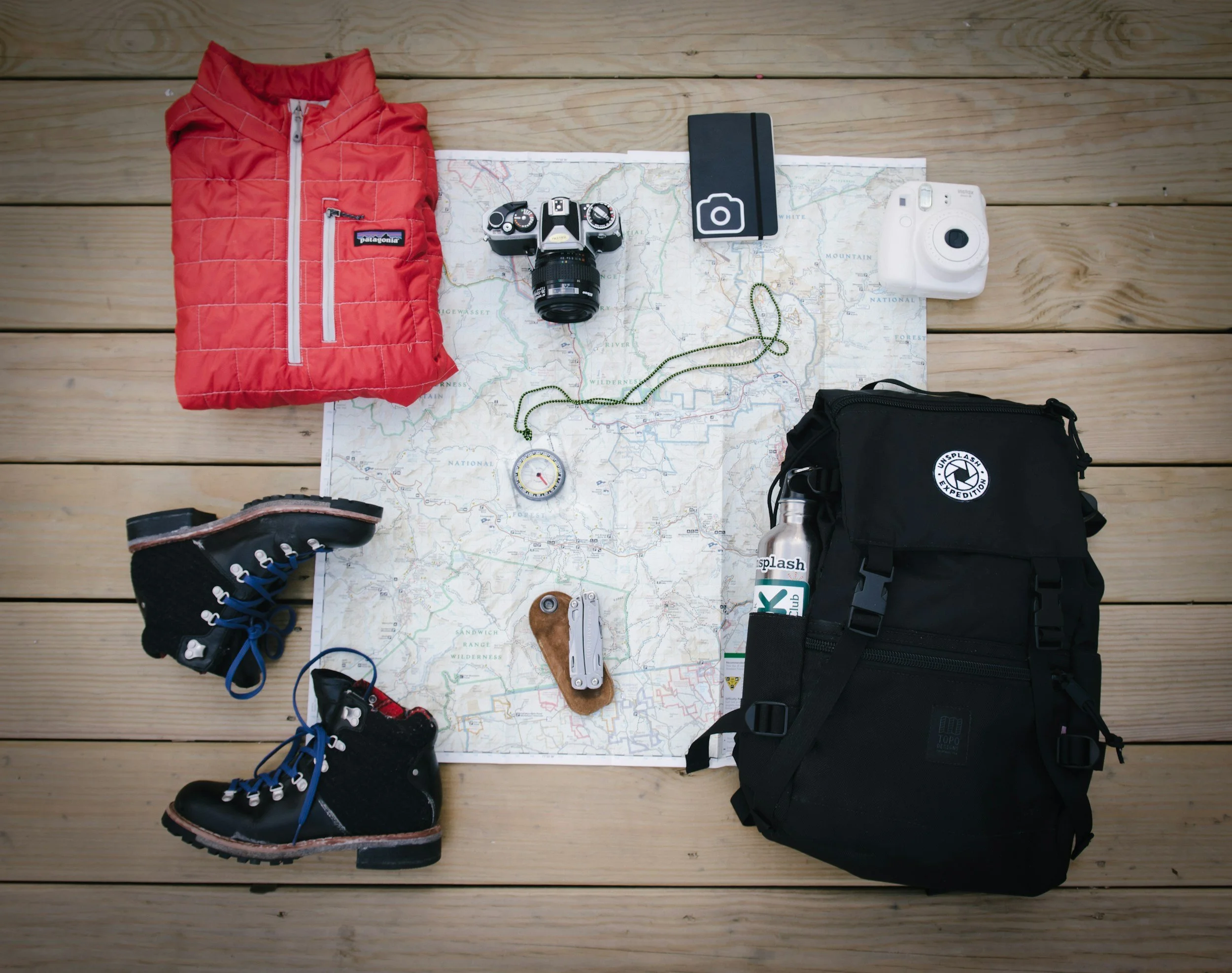
1. Always carry a map (paper + digital)
Navigation is one of the most important outdoor skills you can have.
Even if you’re using your phone, you should always have:
A paper map (it won’t run out of battery or signal)
A downloaded digital map as a backup
Phones fail more often than you think, especially in remote areas or bad weather.
2. Check the weather properly (not just once)
A quick glance at your weather app isn’t enough.
Before heading out, I always:
Check multiple forecasts
Look specifically for mountain weather conditions
Pay attention to weather warnings
And most importantly, if there’s a warning in place, take it seriously.
Weather in the outdoors can change quickly, and being caught unprepared can make a situation much more difficult (and potentially dangerous).
3. Tell someone your plan
This is one of the simplest but most important safety steps.
Before heading out, tell someone:
Where you’re going
Your planned route
What time you expect to be back
If they don’t hear from you by an agreed time, they’ll know something isn’t right and can raise the alarm.
4. Carry warm layers all year round
Even in summer, it can get cold outdoors.
Wind, rain, and loss of sunlight can cause the temperature to drop quickly, especially at higher elevations.
A key tip: don’t wait until you’re cold to put a layer on.
As soon as you feel a chill, add a layer. It’s much easier to stay warm than it is to warm up again once you’re cold.
5. Pack more food than you think you need
It’s always worth carrying a little extra food in your bag.
Some days require more energy than expected, whether that’s due to:
Tough terrain
Longer routes
Changing weather
An “emergency snack” (like nuts or sweets) can make a big difference if:
You’re feeling fatigued
You’re delayed
You need a quick boost of energy
6. Carry a few essential safety items
A small kit can make a big difference in an emergency.
I always carry:
A basic first aid kit
A foil (emergency) blanket
A head torch
You might not need them often, but when you do, you really do.
7. Be mindful of what you share online
This is something that isn’t talked about enough.
If you’re heading outdoors, especially solo - it’s best to avoid:
Posting your exact plans or route in advance
Sharing your live location publicly
Your safety always comes before social media.
Final thoughts
Staying safe outdoors doesn’t have to be complicated.
It’s about building small, consistent habits that help you feel:
More prepared
More confident
More in control of your environment
A little preparation goes a long way.
Want to build your confidence outdoors?
If you’d like to learn these skills in a practical, supportive environment, I run outdoor skills workshops designed to help you feel safe, capable, and confident outside.
We cover everything from planning and navigation to gear and safety, so you know exactly what to do before and during your time outdoors.
You can find more details and book your place here